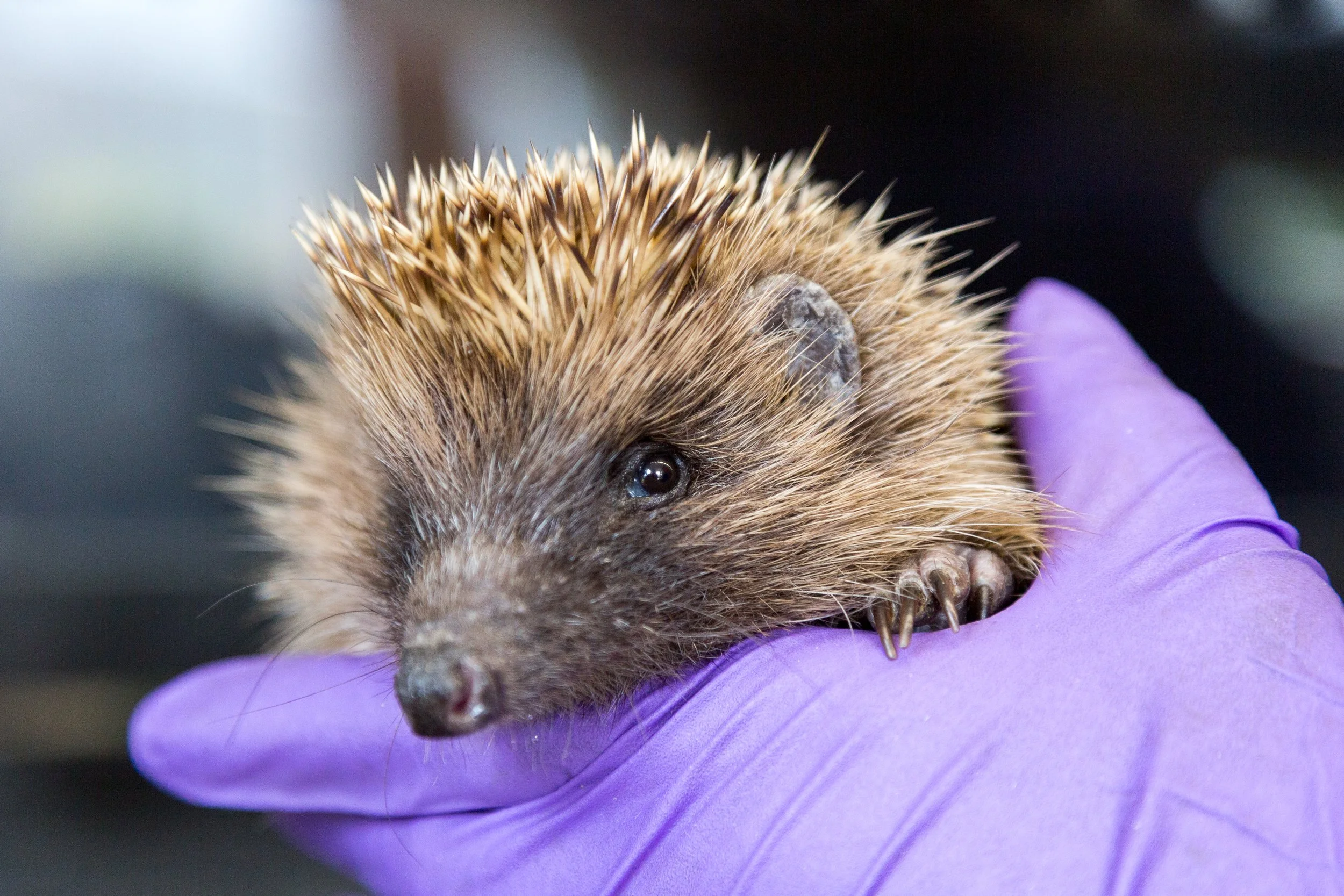
Work placements
Our structured work placements offer students studying veterinary, animal and biological sciences valuable hands-on experience in wildlife rehabilitation.
Throughout the placement, students follow a programme combining hands-on hedgehog care with dedicated learning sessions covering rehabilitation, husbandry, health assessment, diagnostics and rescue operations.
Applicants must be aged 18 or over.
Block placements are available from June to November and run Monday-Friday for 1-5 weeks.
Veterinary students – Please note we are only able to provide Pre-clinical Animal Husbandry placements.
2027 Applications Now Open - Placements from 7 June 2027
What you’ll learn
Our structured work placements combine practical experience with dedicated learning sessions, providing insight into the day-to-day running of a busy hedgehog rescue.
During your placement, you will have the opportunity to gain experience in:
Hedgehog handling and restraint: learning to safely handle and uncurl hedgehogs.
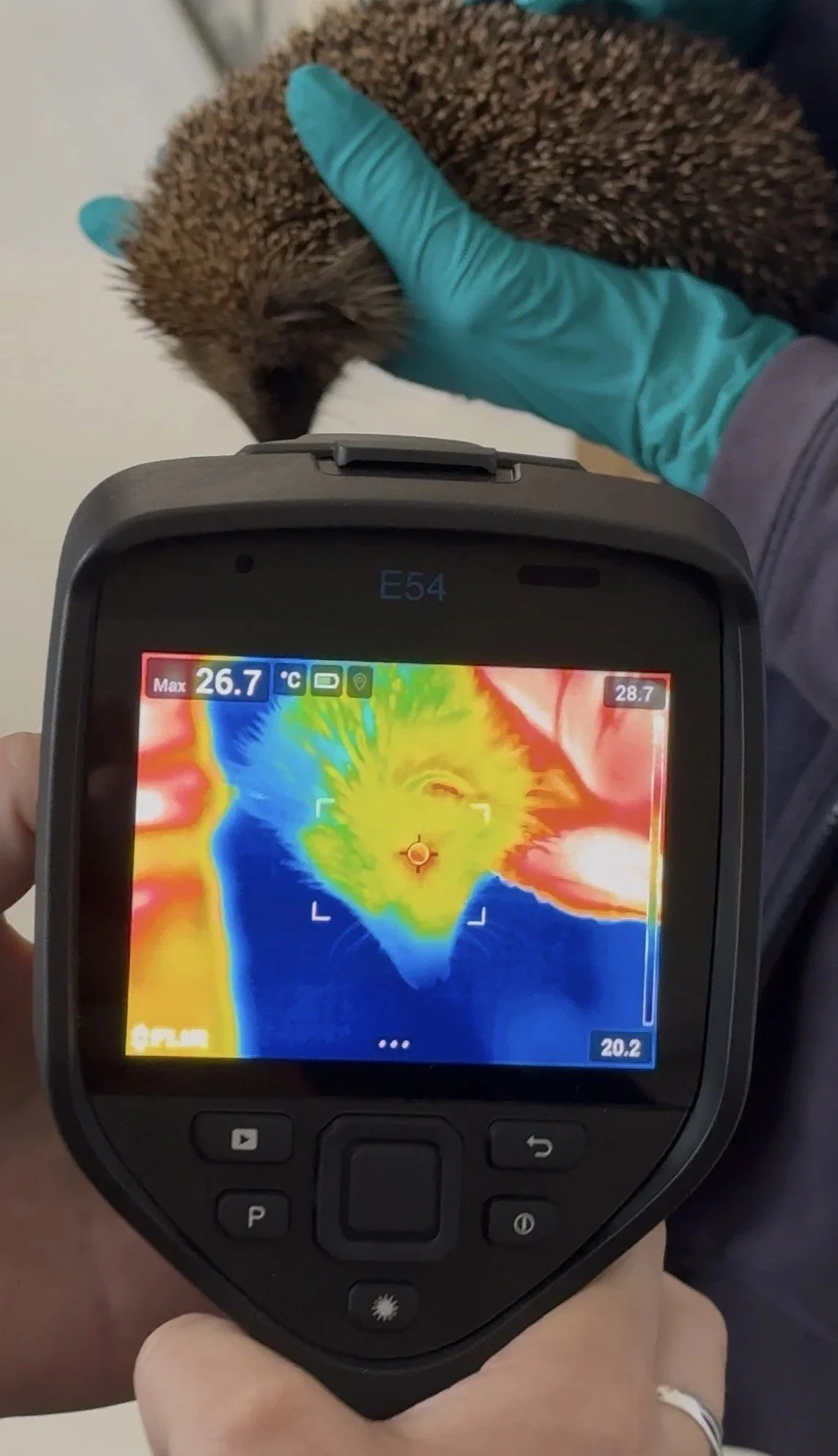
Health assessment and triage - carrying out basic head-to-toe examinations and assisting with the assessment of new admissions.
Husbandry and rehabilitation - accommodation requirements, nutrition, food preparation, cleaning protocols, medication administration and routine care, including claw clipping.
Biosecurity and hygiene - the use of PPE, disinfectants and infection control measures to minimise disease transmission.
Diagnostics and faecal sampling - including the opportunity to use the rescue's microscope and identify common parasites.
Hoglet care and development - depending on the time of year, students may observe or assist with hand-rearing techniques.
Wildlife rehabilitation practices - understanding rehabilitation protocols, release considerations and common conditions seen in hedgehogs.
Case management and record keeping - gaining insight into how patient records are maintained and used to support clinical decision-making.
Current research and evidence-based practice - exploring topics relevant to hedgehog conservation, health and rehabilitation.
Placements are hands-on and can be physically demanding. We rely heavily on students and volunteers, particularly during our busiest period from June to November, so reliability and punctuality are essential.
Placements take place Monday-Friday, starting at 9:00am. Finish times can be flexible, although students are generally expected to remain until 5:30pm. Please note that we are unable to provide accommodation, and applicants requiring public transport should check travel options before applying.